Today I brought in a number of things (from previous projects) that the students could have a look at, play with, and test out. The idea was to get a feel for how these objects, such as a Masterton’s Urban Forest (native trees leaves) poster, streams and cbd nature trail maps, as well as small interactive nature trail stations, offer themselves up as tools and resources – and inspire and enable people to get to know, experience and explore the natural environment around them.
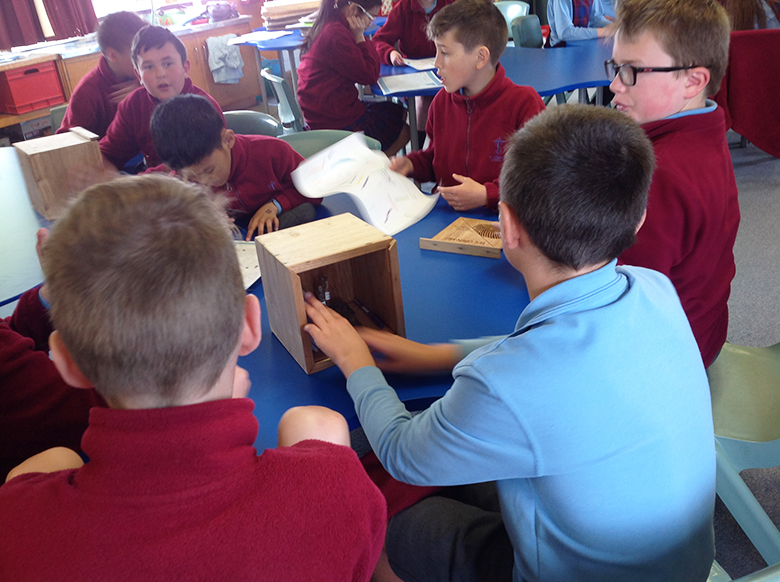
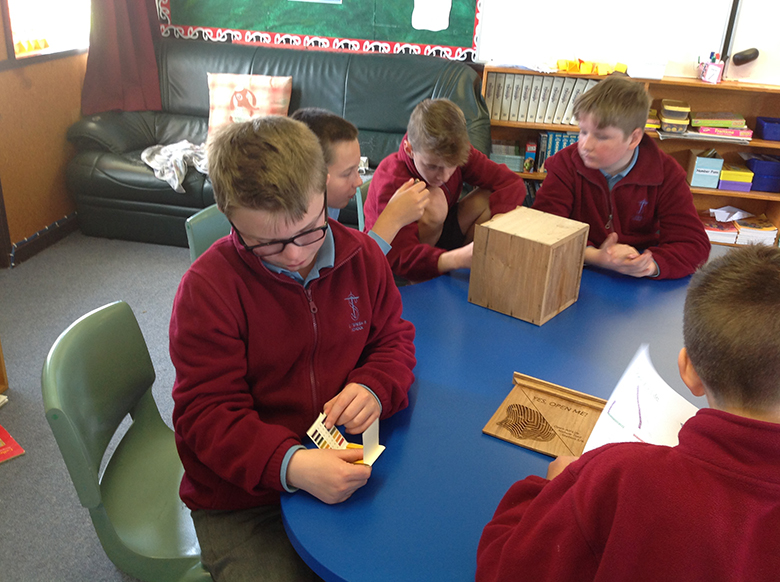
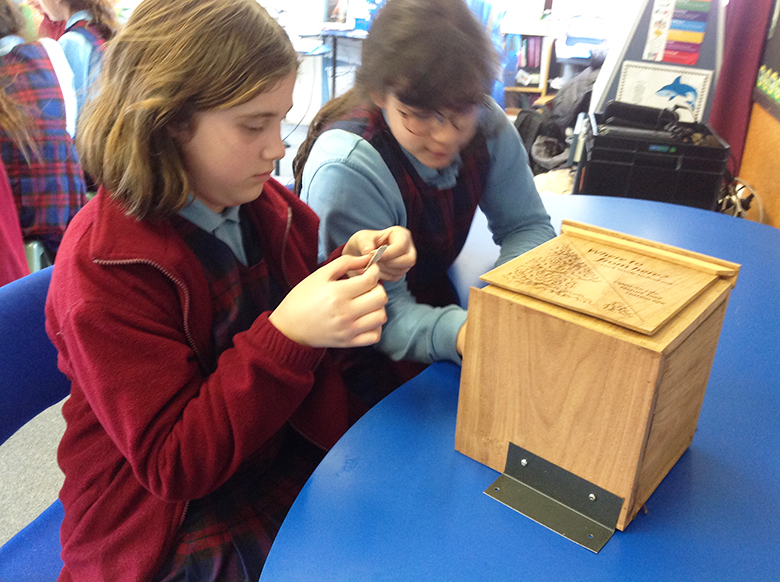
Before getting stuck in, we talked about how our discussions, exercises and activities during these class room sessions are steps towards creating our own set of tools and resources for the community to interact with and learn about the stream, fresh water monitoring, planting, and key observations and experiences from this project.
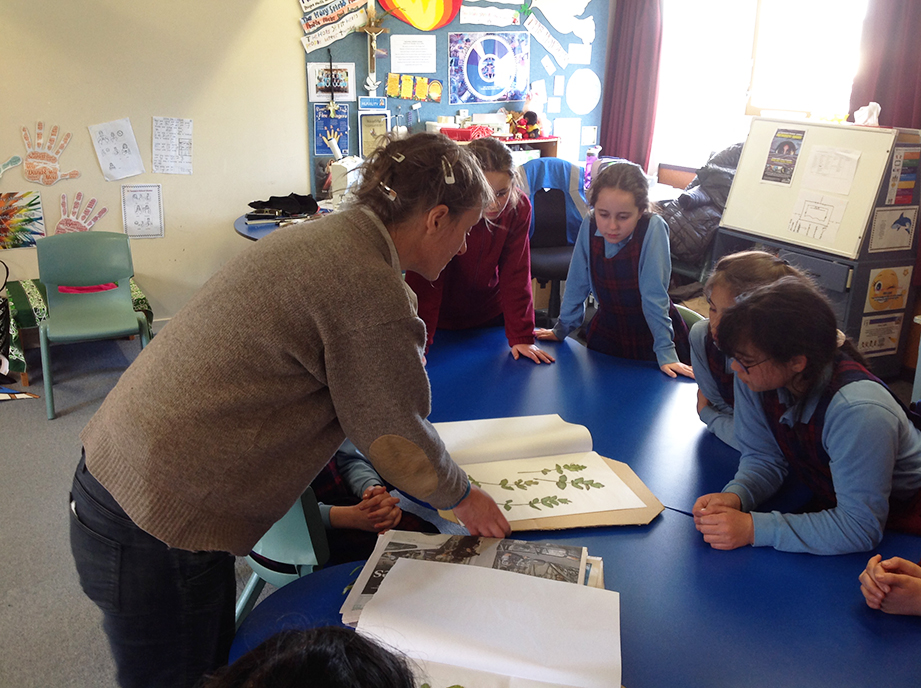
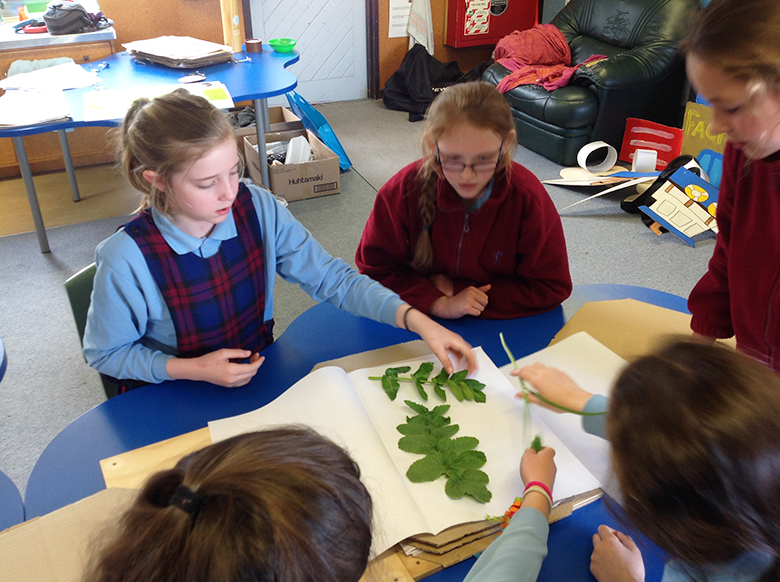
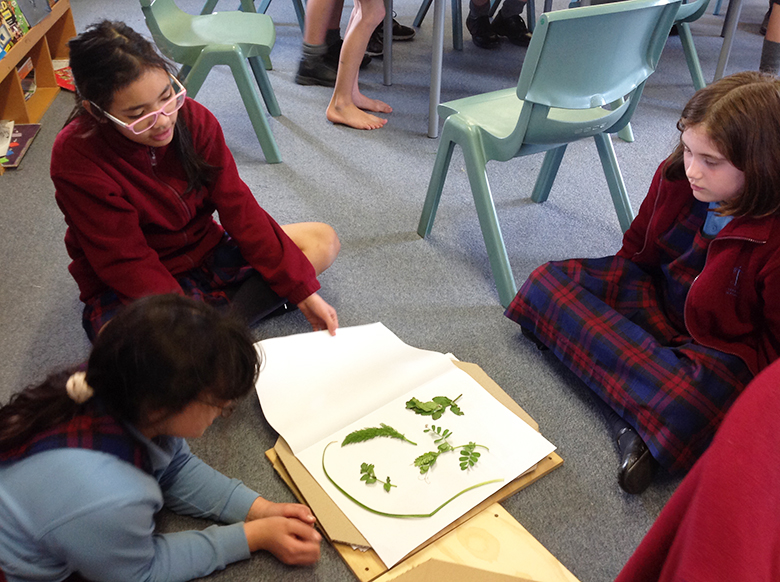
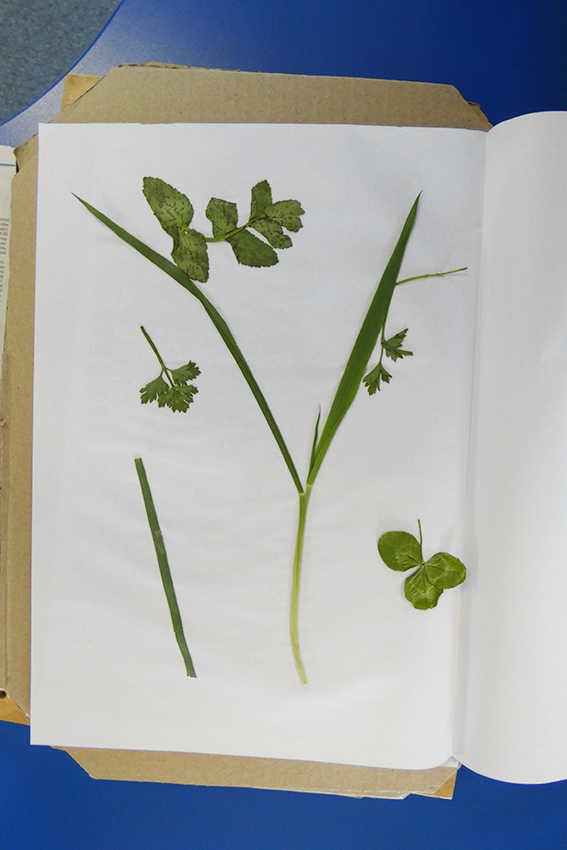
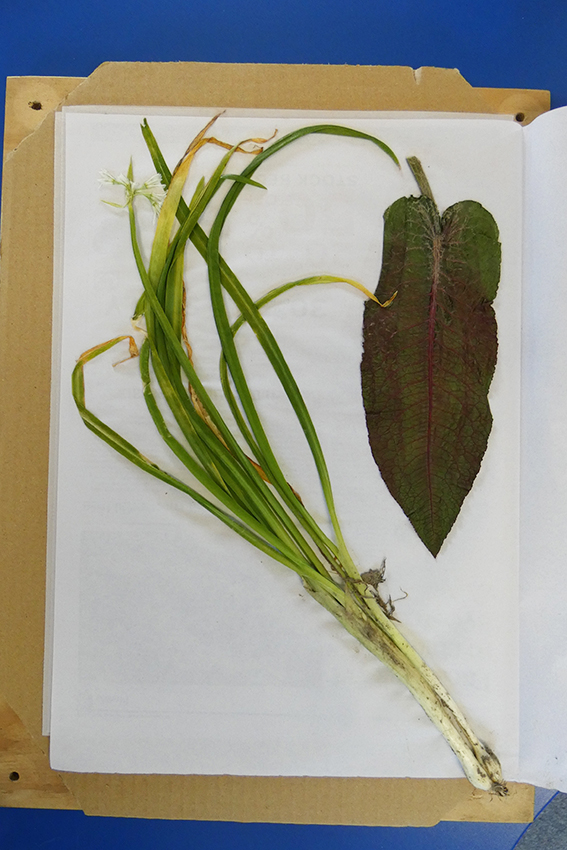
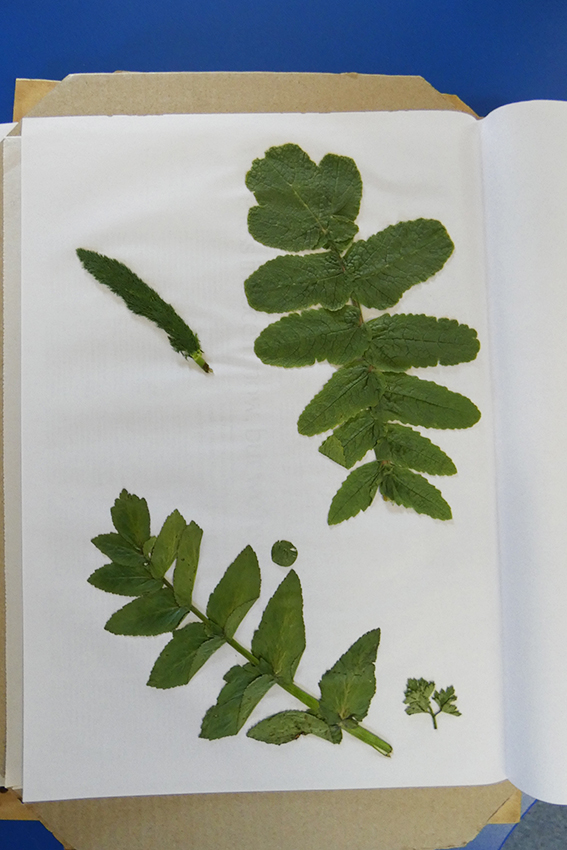
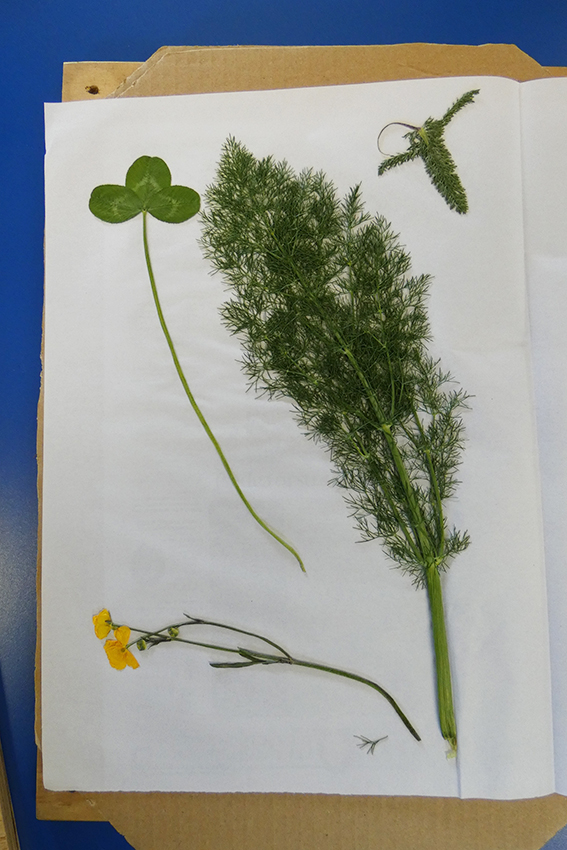
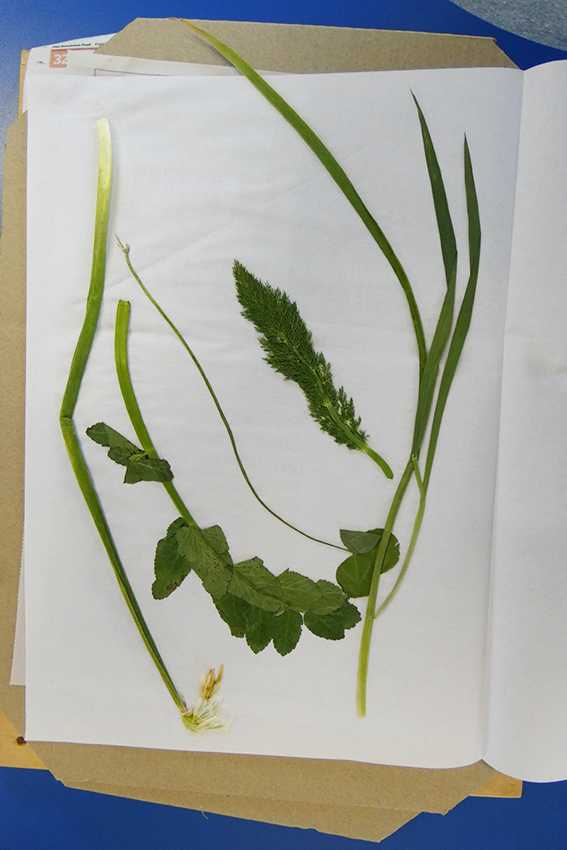
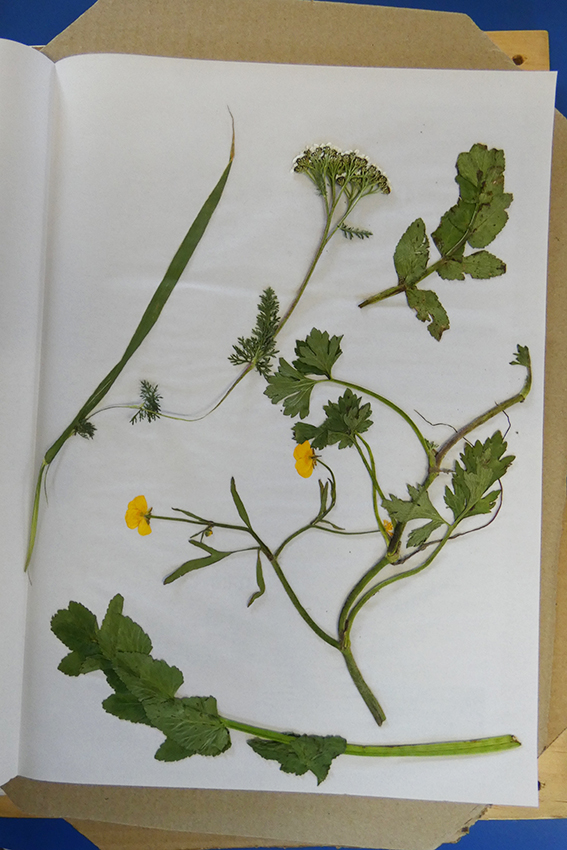
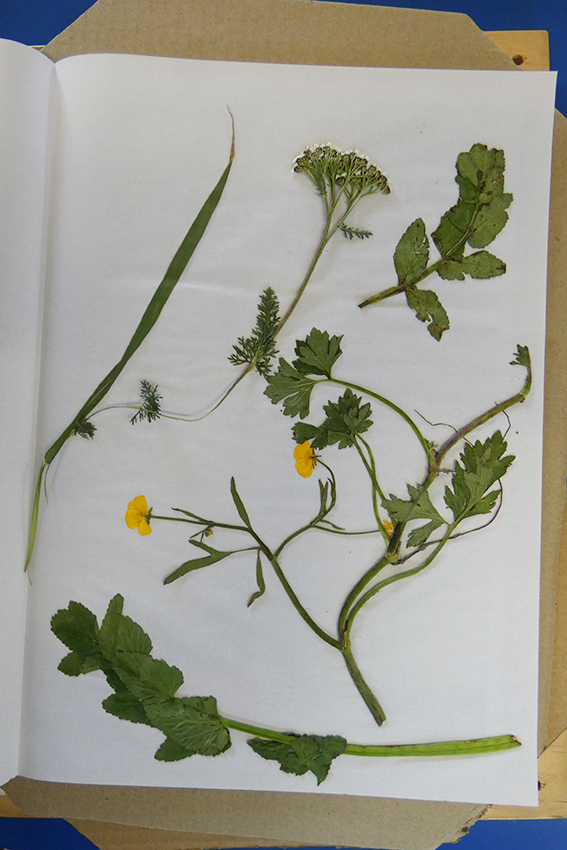
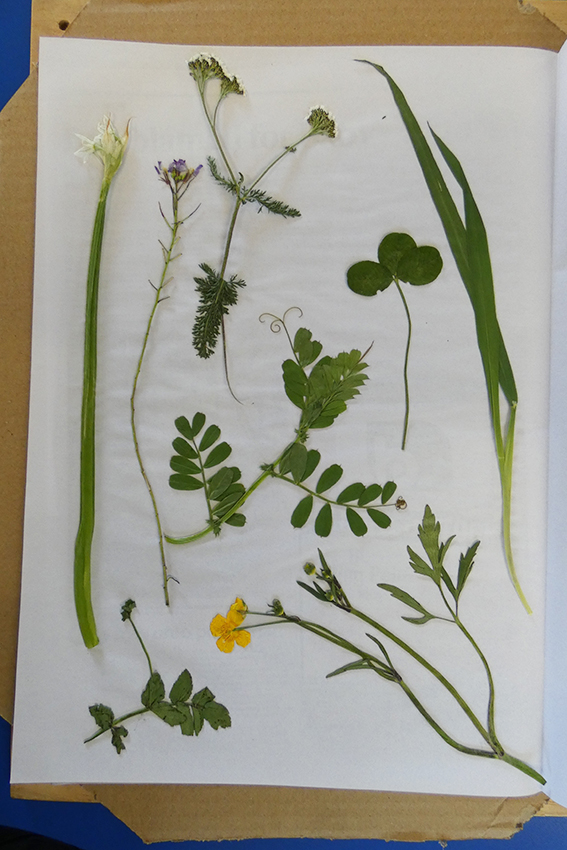
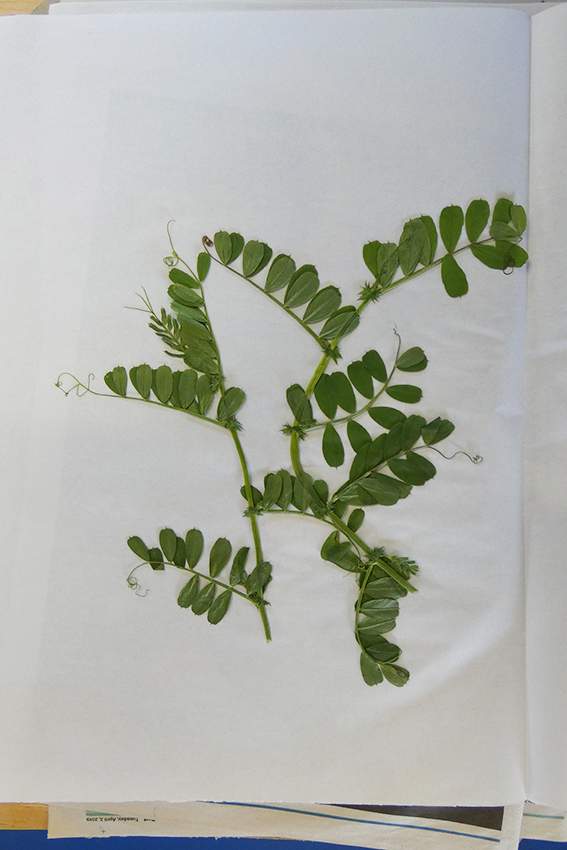
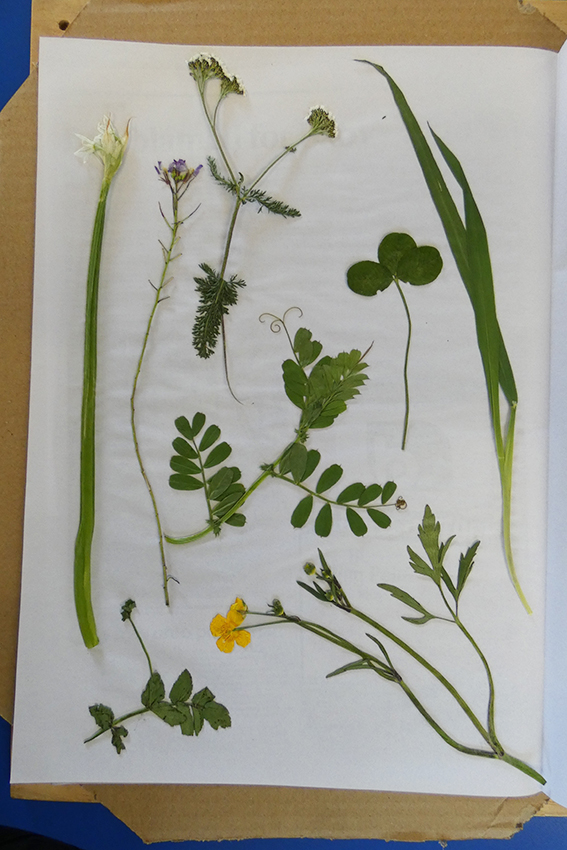
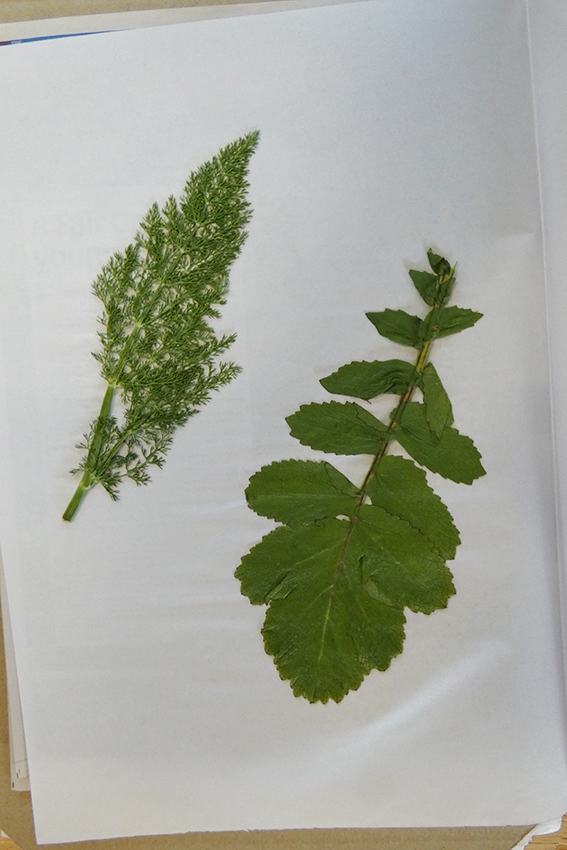
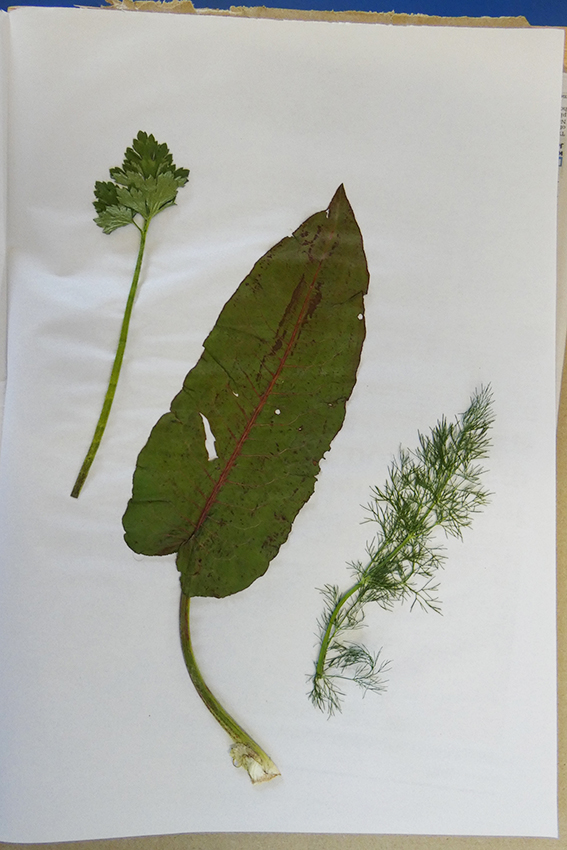
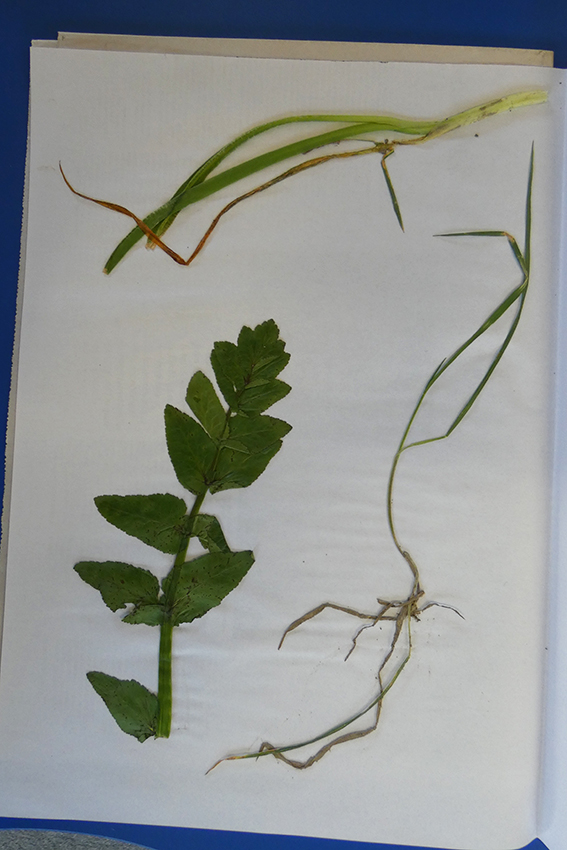
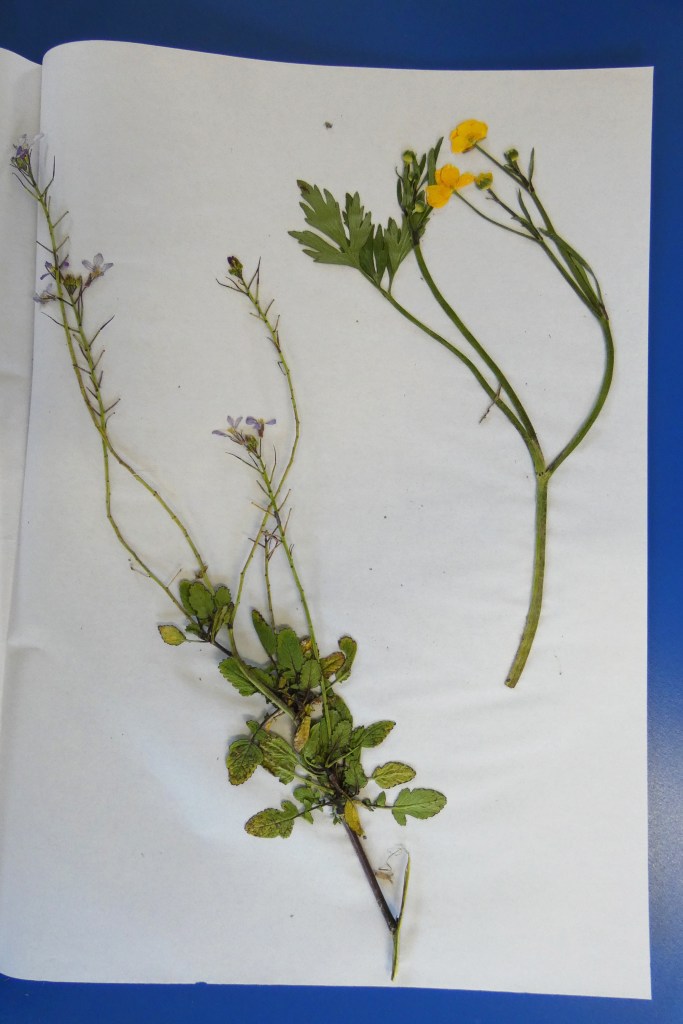
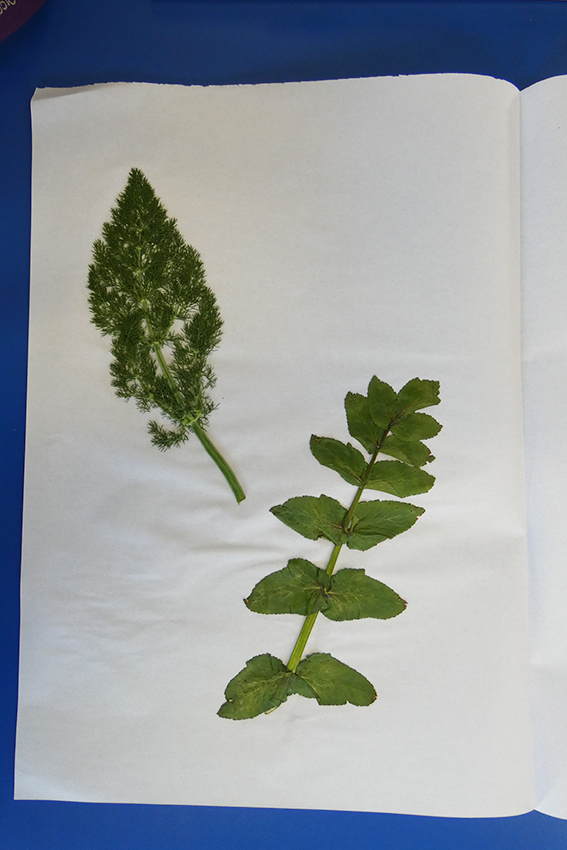
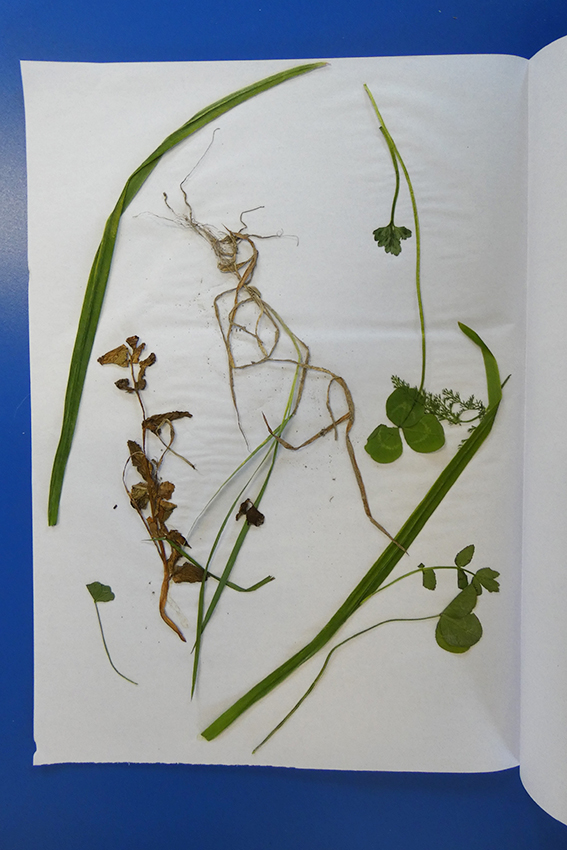
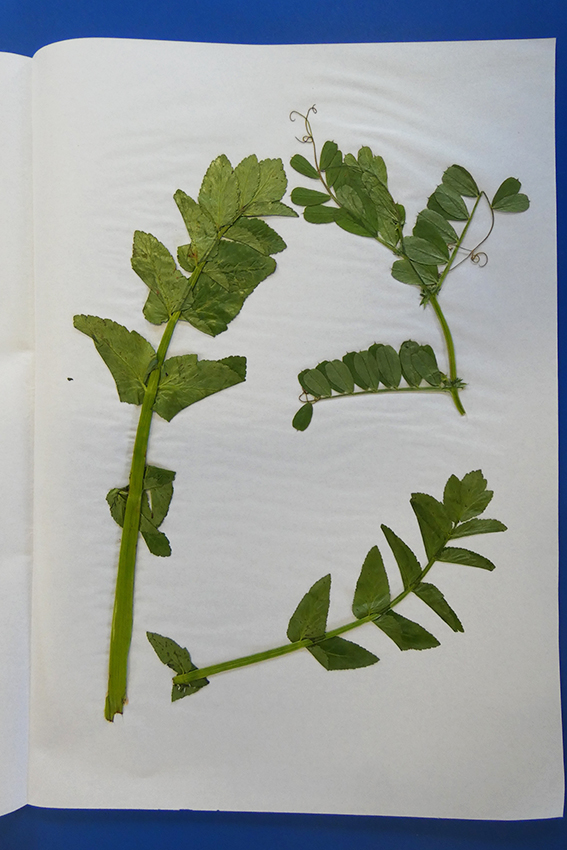
Today I had brought in five plant presses, and a selection of plant specimens that I had collected from the stream restoration site between SH2 and SH53 earlier that day. After a quick demo in pressing plants and creating herbarium vouchers, the students got stuck in pressing the plants and thinking about how to use labels to provide relevant information. There was concentration, passion, mindfulness, and plenty of smiles and laughter, and a keen interest in seeing these plants press faster than you could say cake!
Note: we did not aspire to create perfect botanical herbarium vouchers examining the plant taxonomy of individual plants. Learning how to press and preserve plants is a hugely rewarding process and a relevant outcome in itself as it helps us organise knowledge and learn more about the environment and vegetation around the stream.
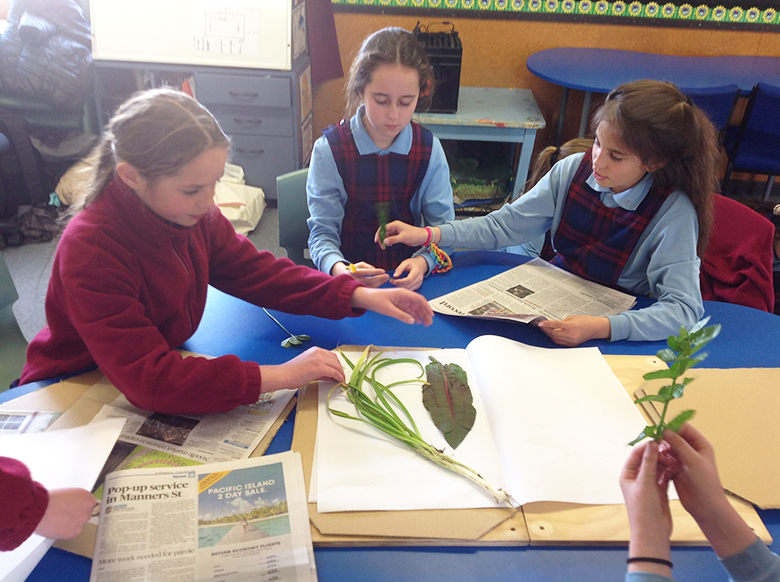
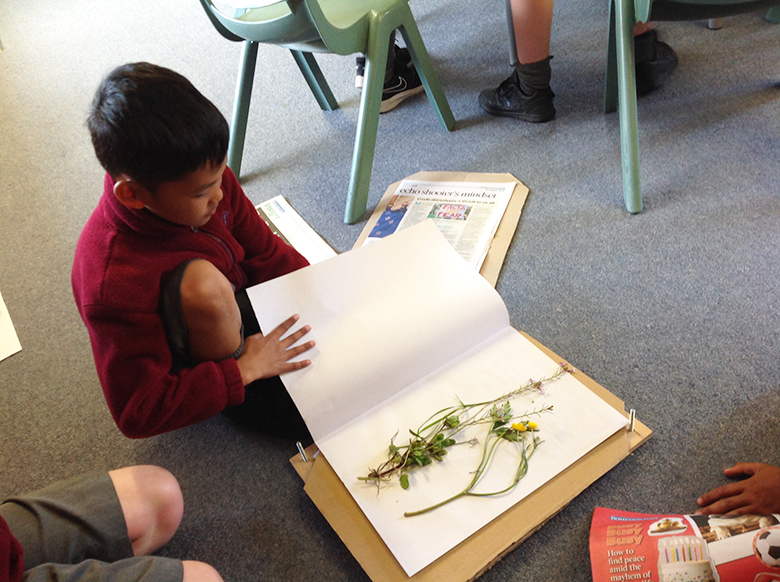
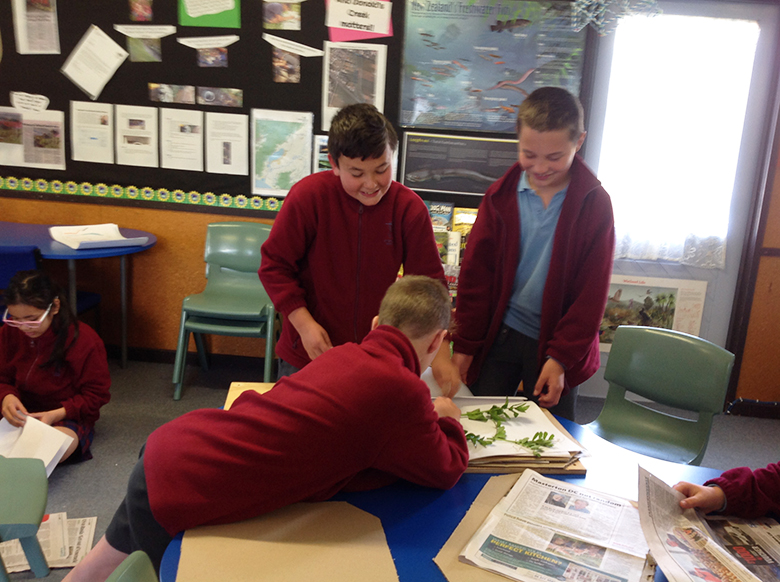
We are also using this process as a way to start creating our own “visual taxonomy” for the stream, through transforming scientific processes and data into effective designs and prompts that can draw the community’s attention to the stream and its ecosystems.
But an hour is not long and all of a sudden we had to fast-forward to the last part of the session; brain storming and physically grouping objects and concepts into areas of knowledge that relate to the stream. Having also sourced water, stream sediments including silt and various sizes rocks, a bunch of rubbish from the site – and a number of photos taken at the site which depicted similar specimens and activities, including monitoring activities and tools – these were quickly scattered on the floor.
Suddenly I could not remember where I had left my fish, eels and freshwater science images! Luckily, Zoe Studd (MTSW) had just turned up to join us and got stuck in cutting out photos as well as a couple of cute paper fish and eel on the spot! We borrowed one of the students’ many wonderful paper construction “critters” (otherwise known as macro-invertebrates) hanging from the ceiling and we were set!
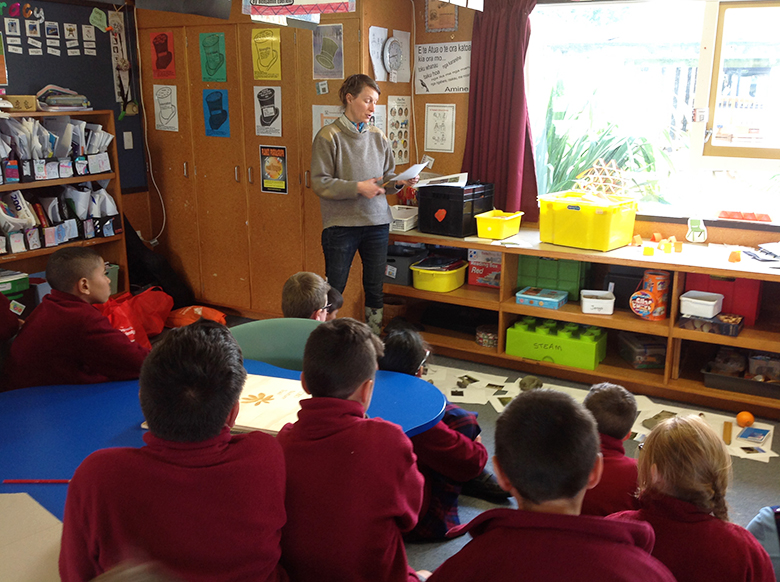
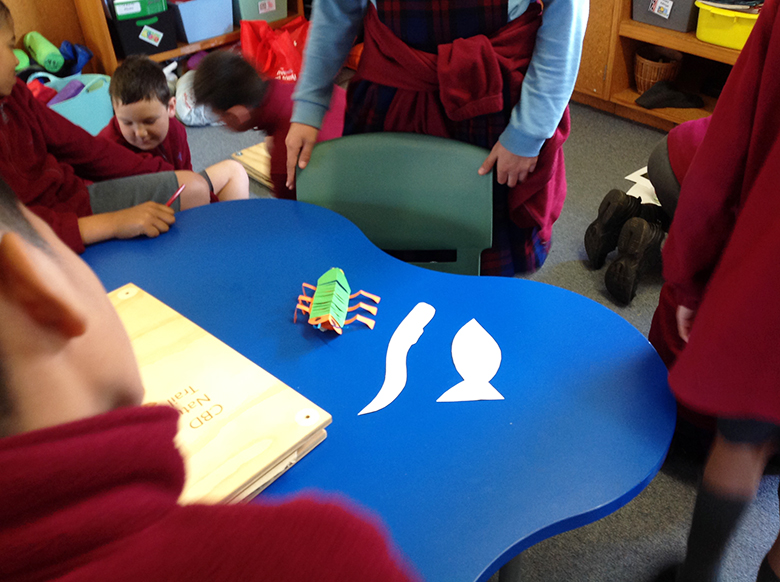
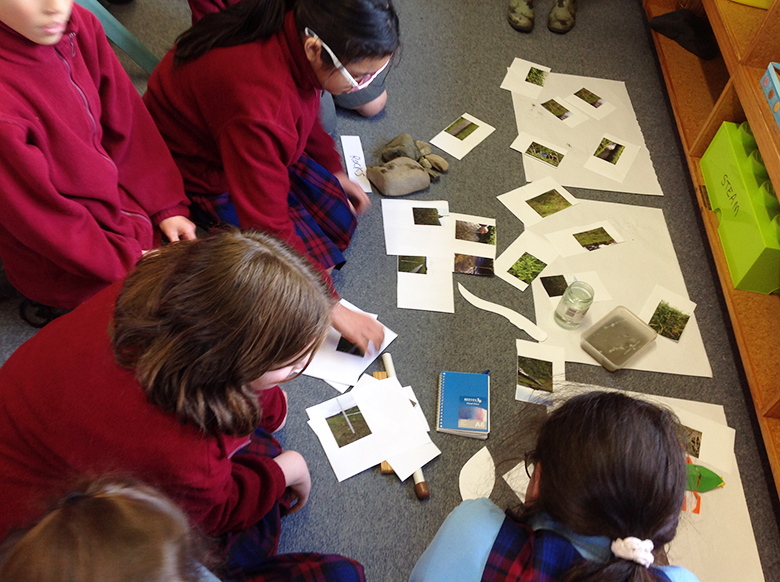
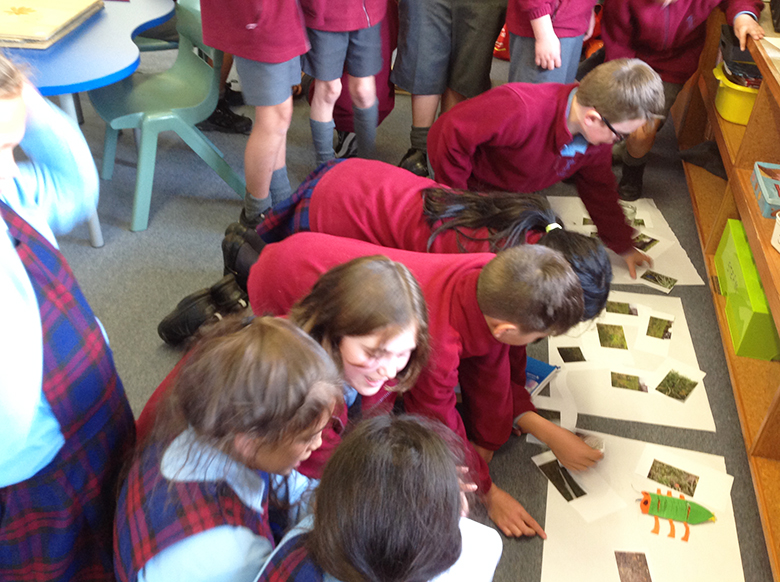
Not deterred by the brevity of time at hand and lack of space, the students made a great start to identifying and creating groupings of the objects and images in front of them. They identified rocks/sediments, water, rubbish, and monitoring instruments, including an orange! Who would have thought you could use an orange as an instrument of freshwater monitoring. (More about this in another blog post half drafted as we speak.)
Then the bell rang and we resolved to work on identifying the remaining groups another day. Wow, school life is certainly busy! Thanks to Liz for not only teaching, and supporting the students and me, but also taking all the photos today!
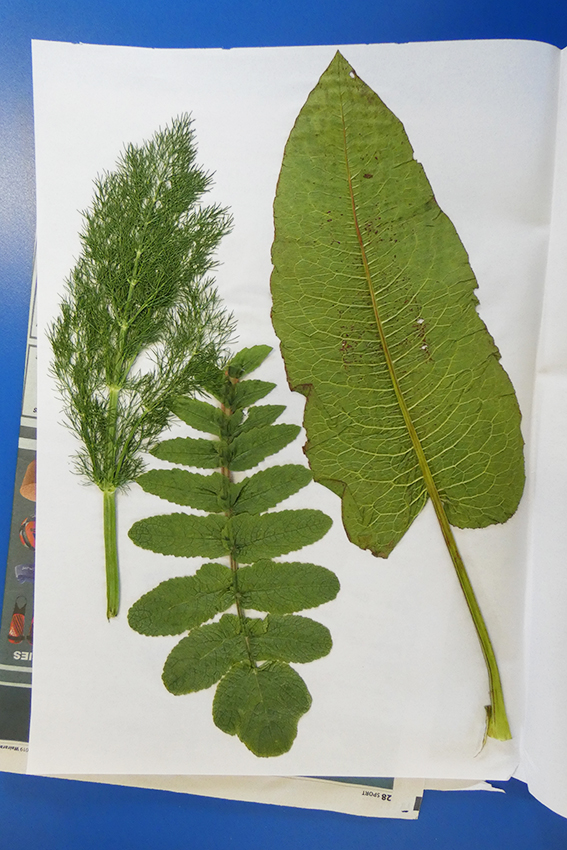
I include some images of the herbarium vouchers – a sneak peak only 24 hours after the plants were pressed! I am definitely looking forward to building on this process next Wednesday, where we may draw on our Hopes & Dreams drawings and texts, perhaps dabble in using the plant vouchers and other top-secret elements to develop some stencils. We are well on our way to developing some designs for our own tools and resources! He tangata he tangata he tangata kaitiakitanga!

 Donald's Creek Kaitiakitanga Project